Venturi flow meters, commonly just referred to as Venturi meters, are used to measure the flow rate of fluids in a wide range of applications.
While plumbing applications tend to be the most popular, Venturi meters can be used in applications that involve water, propane, oil and even gaseous fluids. Just like a lot of other flowmeters, Venturi flow meters utilize differential pressure in order to measure the rate of flow of a substance within a system. Because of this, Venturi flow meters are highly popular in many industries and also in commercial purposes. Read More…
Sierra manufacturers high performance mass flow meters and controllers for nearly any gas, liquid or steam. Customers choose Sierra when they need an accurate and repeatable flow measurement, short delivery lead times, expert flow advice and long term support. When it matters, choose Sierra. Visit www.sierrainstruments.com.
Aalborg Instruments & Controls is a globally recognized manufacturer of precision instrumentation for flow measurement and control. We offer variable area flow meters, thermal mass flow controllers, and more. Since our founding in 1972, it has been our commitment to develop, produce and deliver the highest quality products and services, as well as consistently meet or exceed customer...

Ryan Herco Flow Solutions is a leading national distributor for fluid handling products. Our family of products include; Flowmeters, sensors, instrumentation tubing and hose, process pipe and fittings, valves, pumps, filters and filter systems, storage and drums, and corrosion resistant structural products. We have 29 U.S. Service Centers ready to serve you.

Our flow meters are meticulously designed with you in mind. Our products have an unrivaled reputation, because we spend hundreds of engineering hours working on new and better ways to improve our products. No matter what you need, we can get if for you! Our staff is dedicated to helping you every step of the way. Contact us today for more info!

We are ONICON Incorporated, a leading manufacturer of flow meters and energy measurement systems. Our products and solutions are used in a wide range of applications, including HVAC, building automation, and industrial processes.




More Venturi Flow Meter Manufacturers
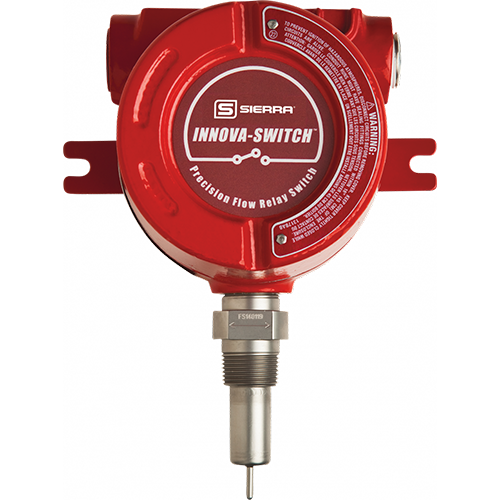
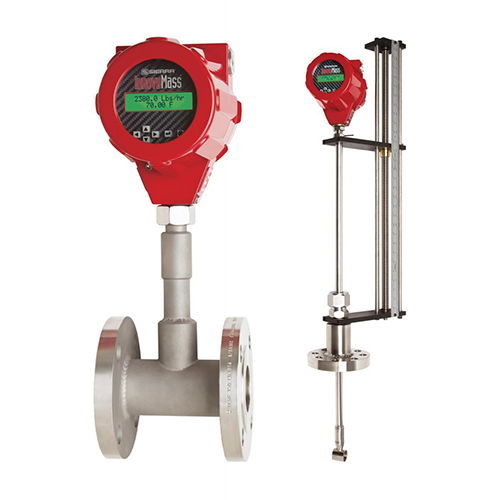 Venturi Flow Meters - Sierra Instruments Inc.
Understanding Venturi Flow Meters: Principles and Design
Venturi flow meters are expertly engineered flow measurement devices designed to harness the Venturi effect for highly precise fluid flow measurement. The cornerstone of every Venturi meter is the Venturi tube, a specialized section of pipe that gradually narrows to a throat and then expands back to its original diameter. This unique geometry induces a measurable pressure differential as fluid flows through—the key to quantifying flow rate. As the fluid accelerates through the constriction, its velocity increases and static pressure drops, in direct accordance with Bernoulli's principle.
The complete Venturi meter assembly typically includes:
- Converging section: Smoothly narrows the flow path, minimizing turbulence.
- Throat: The narrowest point where fluid velocity peaks and pressure is lowest.
- Diverging section (diffuser): Expands the flow gradually, recovering pressure and minimizing energy loss.
- Pressure taps: Allow for accurate differential pressure measurement before the convergent section and at the throat.
This robust, streamlined design is engineered to deliver exceptionally low-pressure loss compared to other primary flow elements, making Venturi flow meters ideal for applications where energy efficiency and sustained accuracy are paramount.
Key Benefits and Advantages of Venturi Flow Meters
Venturi flow meters offer a host of advantages that make them widely adopted across industries such as water treatment, oil and gas, chemical processing, power generation, pharmaceutical manufacturing, and food & beverage production. Their popularity stems from several core benefits:
- High accuracy and repeatability: Venturi meters consistently deliver ±0.5% to ±1.5% accuracy, with excellent long-term stability, making them suitable for custody transfer, billing, and process control applications.
- Low maintenance requirements: Their simple, rugged construction—free of moving parts—minimizes mechanical wear and maintenance costs, ensuring reliable operation for decades.
- Wide range of compatible fluids: Venturi meters can handle liquids, gases, and steam, including corrosive, abrasive, or dirty fluids that might damage more delicate instruments.
- Low permanent pressure loss: The gradual expansion of the outlet section (diffuser) enables the recovery of most kinetic energy, preserving pump efficiency and reducing operational costs.
- Versatility in pipe sizes: Available for small and large pipelines—from less than 1 inch (25 mm) to over 120 inches (3 m) in diameter—making them suitable for municipal water distribution, industrial process lines, and large-scale infrastructure projects.
- Long lifespan: Constructed from durable materials such as stainless steel, carbon steel, or special alloys, Venturi flow meters are built to withstand harsh process environments and extreme operating conditions.
How Does a Venturi Flow Meter Work?
The operation of a Venturi flow meter is fundamentally based on measuring the pressure difference between the inlet and the throat of the Venturi tube. As fluid enters the converging section, its velocity increases and pressure decreases. This pressure drop is proportional to the square of the fluid velocity, enabling highly accurate calculation of volumetric or mass flow rates.
A differential pressure transmitter is typically connected to the pressure taps, converting the pressure drop into an electronic signal. Modern Venturi flow meters integrate advanced transmitters and digital flow computers for real-time monitoring, data logging, and remote process control.
Venturi Flow Meter Applications: Where Are They Used?
Are you wondering if a Venturi flow meter is the right solution for your process? Explore some of the most common and high-value use cases:
- Municipal and industrial water management: Accurate flow measurement in water treatment plants, distribution networks, and wastewater facilities.
- Oil & gas production: Custody transfer and allocation metering of crude oil, natural gas, and refined products—often in harsh, remote field conditions.
- Chemical processing: Monitoring flow of aggressive chemicals, slurries, and process fluids with minimal risk of clogging or fouling.
- Power generation: Steam and feedwater flow measurement in fossil, nuclear, and geothermal power plants.
- Food & beverage industry: Hygienic, CIP-compatible designs for sanitary measurement of milk, juices, beer, and process water.
- Pharmaceutical and biotech manufacturing: Compliant, high-purity flow metering for process validation and quality control.
Decision Factors: Is a Venturi Flow Meter Right for Your Application?
Selecting the optimal flow meter for your system requires careful consideration of several key factors. Use these questions to guide your evaluation:
- What is the nature of the fluid (liquid, gas, steam; clean or dirty; corrosive or abrasive)?
- What is the required flow measurement accuracy and repeatability?
- What are the pipeline size and flow rate ranges?
- Are there space constraints or installation limitations?
- What are your maintenance and lifecycle cost expectations?
- Will the measurement be used for process control, custody transfer, or regulatory compliance?
- Do you require digital outputs, remote monitoring, or integration with plant automation systems?
If you're unsure, consult with a flow measurement expert to assess your requirements and determine if a Venturi flow meter—or another technology such as orifice plate meters, ultrasonic flow meters, or magnetic flow meters—is best suited for your needs.
Comparison: Venturi Flow Meter vs. Other Flow Measurement Technologies
How does a Venturi flow meter compare to other popular flowmeter types in accuracy, cost, and suitability? Here’s how it stacks up:
- Orifice plate flow meters: Lower initial cost but higher permanent pressure loss and maintenance due to potential for wear and clogging.
- Ultrasonic flow meters: Non-intrusive and suitable for large pipes, but require cleaner fluids and are generally more expensive.
- Magnetic flow meters (magmeters): Excellent for conductive liquids, but not usable for hydrocarbons, gases, or non-conductive fluids.
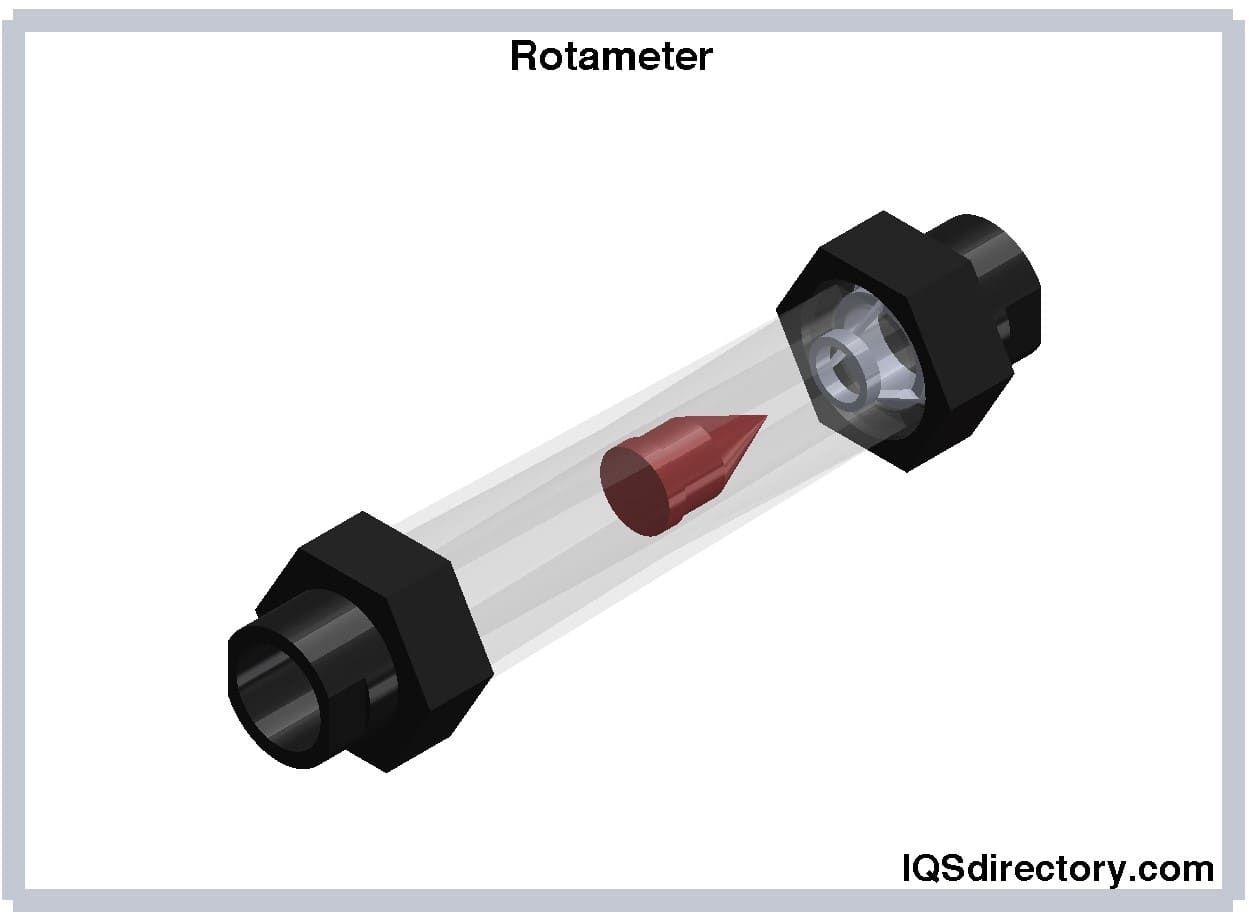
- Rotameters: Simple and inexpensive, but limited to low-pressure, clean fluid applications and less accurate.
- Turbine flow meters: High accuracy for clean, low-viscosity fluids, but sensitive to particulates and require regular maintenance.
In summary, Venturi flow meters excel in applications demanding accuracy, low maintenance, and energy efficiency—especially with challenging process fluids where other technologies may struggle.
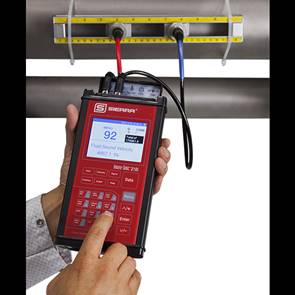
 Venturi Flow Meters - Sierra Instruments Inc.
Installation, Calibration, and Maintenance Best Practices
Proper installation and calibration are critical for achieving maximum accuracy and long-term reliability with Venturi flow meters. Consider these best practices:
- Straight pipe runs: Ensure adequate upstream and downstream straight pipe lengths to minimize flow profile disturbances.
- Correct orientation: Install according to manufacturer recommendations—usually horizontally for liquid service, vertically for gas or steam if required.
- Pressure tap positioning: Use precision pressure transmitters and keep impulse lines short and free of leaks or blockages.
- Regular calibration: Periodically verify calibration against a traceable standard, especially in custody transfer or regulatory applications.
- Material selection: Choose compatible materials for wetted parts based on fluid chemistry to maximize lifespan and performance.
- Inspection and cleaning: Visually inspect for buildup, corrosion, or damage as part of routine maintenance, although Venturi meters are highly resistant to fouling.
Frequently Asked Questions about Venturi Flow Meters
What is the typical accuracy of a Venturi flow meter?
Most Venturi flow meters provide accuracy ranges from ±0.5% to ±1.5% of reading, depending on calibration, fluid properties, and installation conditions.
Can Venturi flow meters handle slurries or dirty fluids?
Yes, their streamlined, obstruction-free design makes them ideal for slurries, wastewater, and other challenging fluids where orifice plates, turbine, or positive displacement meters may clog or wear.
How do I size a Venturi flow meter for my application?
Sizing depends on pipeline diameter, expected flow rates, process pressure, and fluid properties. Many manufacturers offer online sizing calculators or engineering support.
Are Venturi meters compatible with digital monitoring and SCADA systems?
Modern Venturi meters can be equipped with digital pressure transmitters, flow computers, and connectivity for SCADA, DCS, and IIoT applications, enabling real-time monitoring and advanced analytics.
What standards govern Venturi meter design?
Venturi meters are engineered according to global standards such as ISO 5167, ASME MFC-3M, and AGA 3, ensuring performance, interchangeability, and regulatory compliance.
How to Choose the Right Venturi Flow Meter Manufacturer
Selecting a reputable Venturi flow meter manufacturer is critical to ensuring your measurement system delivers reliable and accurate data for years. Look for suppliers who offer:
- ISO-certified manufacturing and quality control systems
- Customization for special process requirements (high pressure, high temperature, aggressive chemicals, sanitary/hygienic)
- Comprehensive engineering support and application expertise
- Calibration and documentation traceable to international standards
- Global support network and responsive after-sales service
Explore our directory of trusted flow meter manufacturers to compare products, request quotes, and connect with industry leaders.
Summary: Why Choose a Venturi Flow Meter?
In summary, Venturi flow meters offer unmatched accuracy, reliability, and energy efficiency for both liquid and gas flow measurement in demanding industrial environments. Their robust design, minimal maintenance needs, and adaptability to harsh and variable process conditions make them the preferred choice for critical applications worldwide. Whether you need to measure potable water, natural gas, aggressive chemicals, or sanitary fluids, Venturi flow meters provide a proven, cost-effective, and future-ready solution.
Ready to Specify a Venturi Flow Meter?
Still have questions? Contact our application engineers for expert advice, technical support, and custom sizing recommendations.
Or, compare top Venturi flow meter brands and request a quote tailored to your requirements.
Related Searches: What are the best Venturi flow meters for wastewater? How do you calibrate a Venturi flow meter? Venturi vs. orifice plate flow meter—what’s the difference? What is the installation cost of a Venturi flow meter? Can Venturi flow meters measure gas and steam?
For more in-depth technical resources, application guides, and case studies, visit our Venturi flow meter knowledge center.
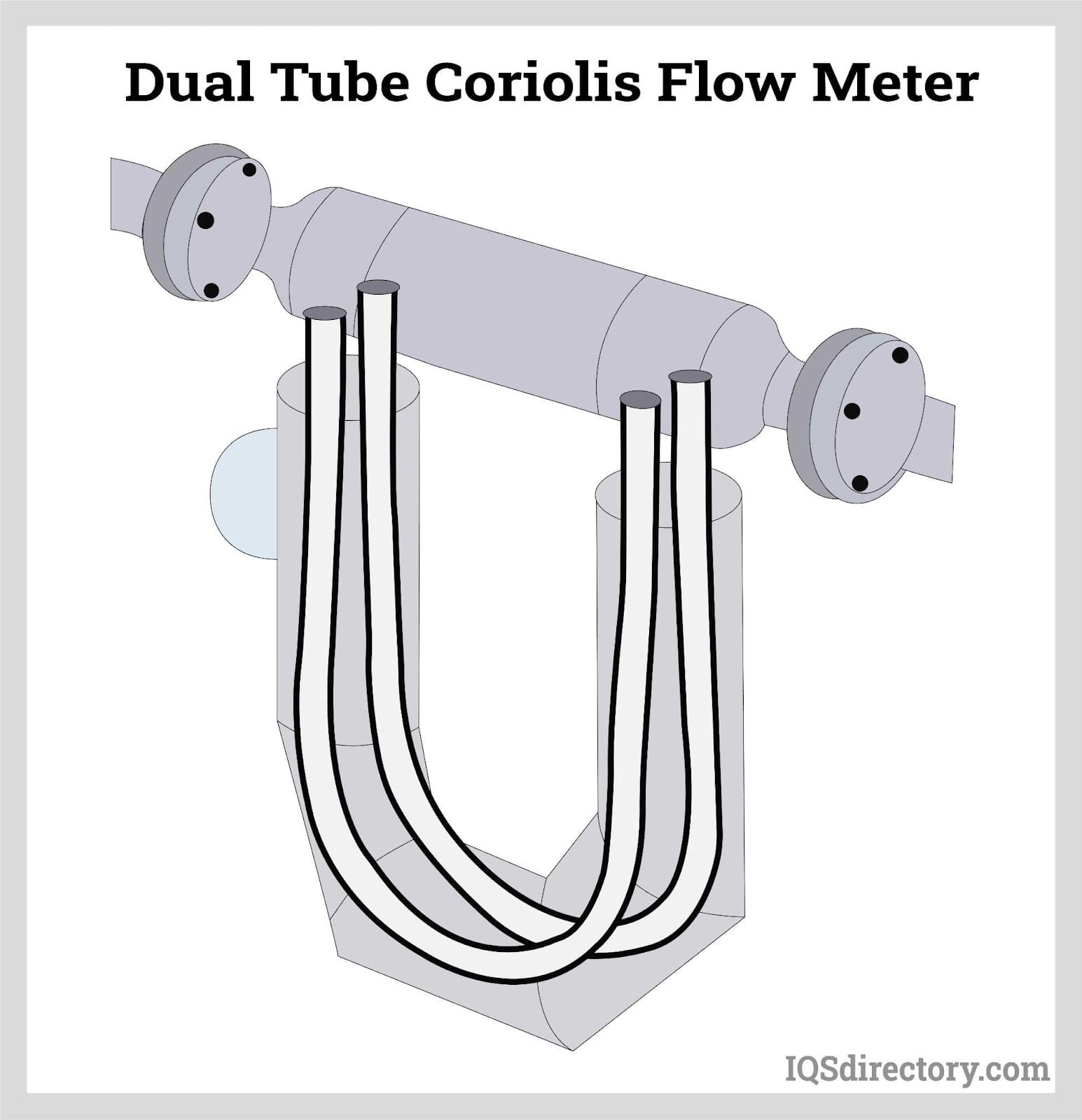
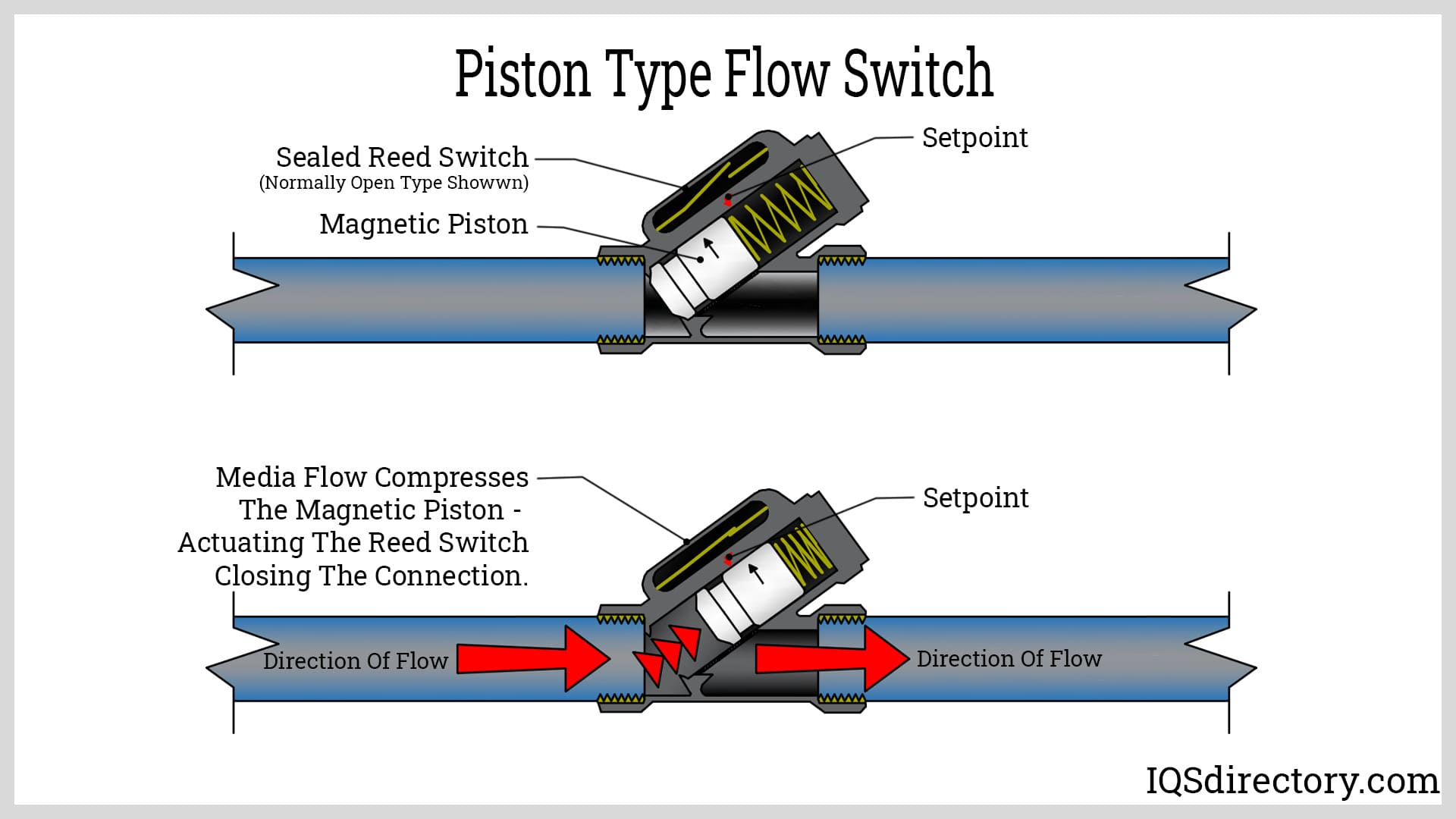
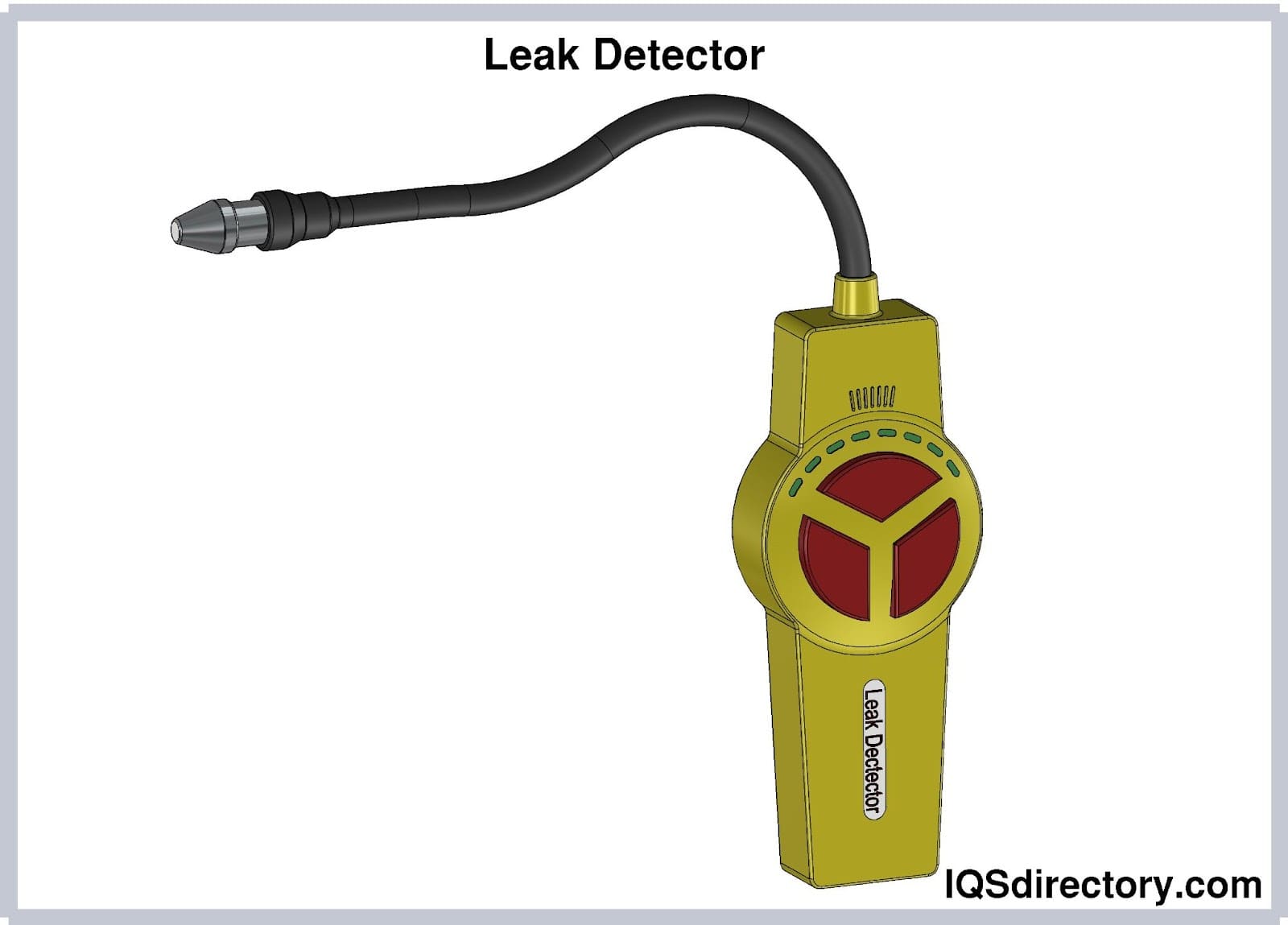
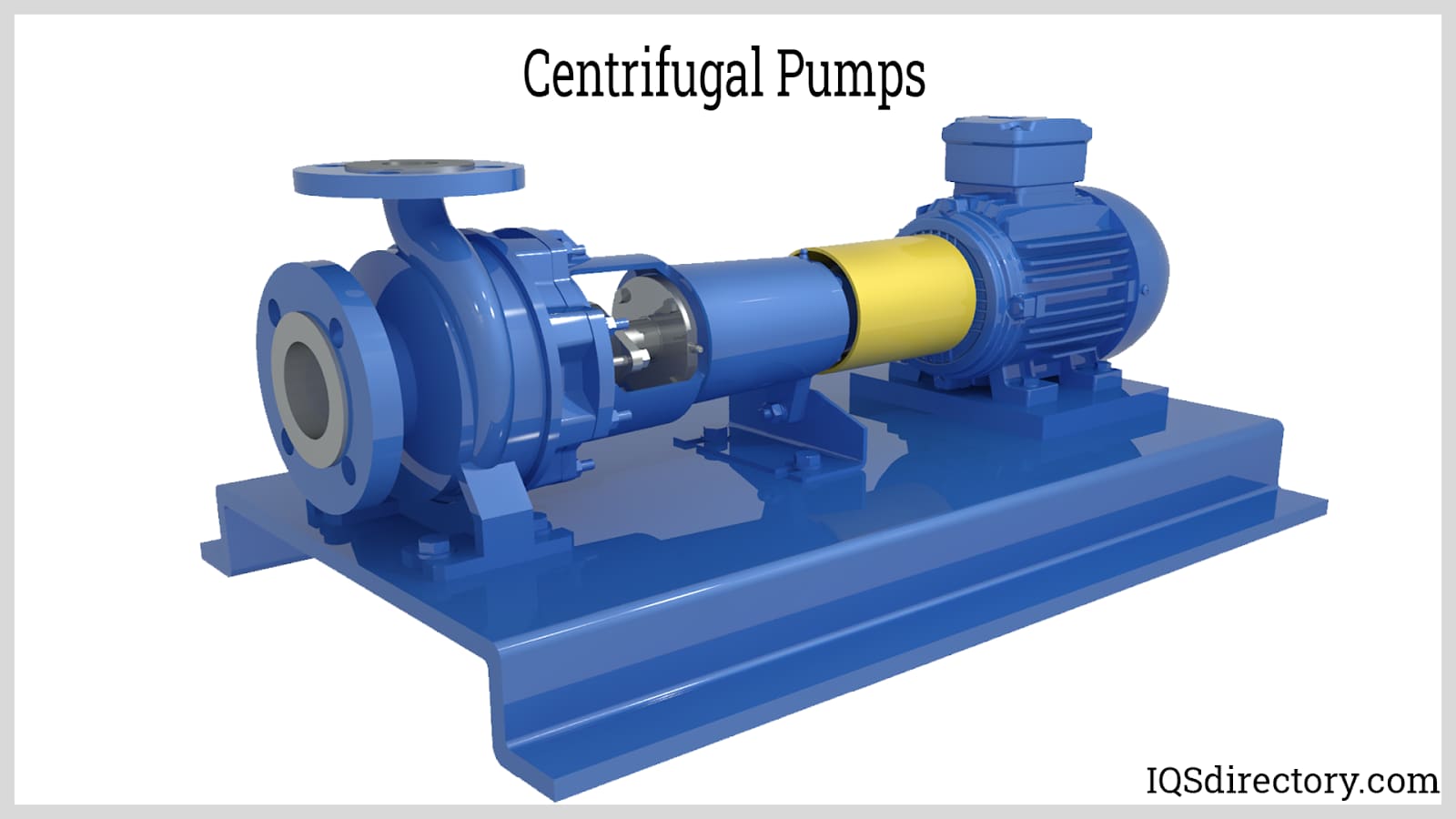
 Flow Gauges
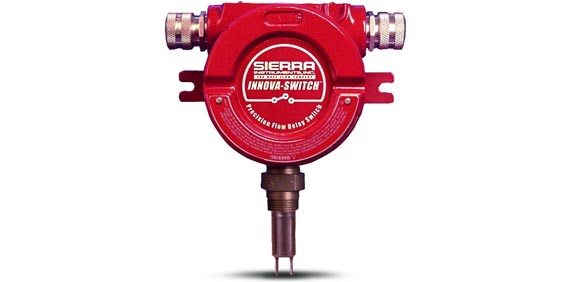 Flow Indicators
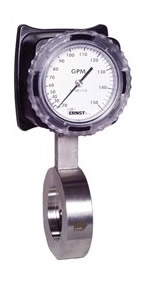 Flow Meters
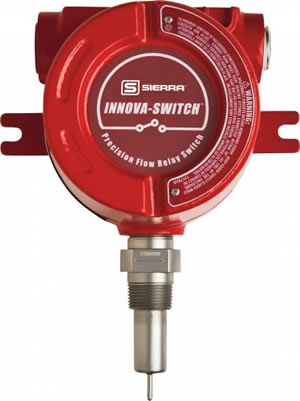 Flow Switches
 Castings & Forgings
 Bulk Material Handling
 Electrical & Electronic Components
 Flow Instrumentation
 Hardware
 Material Handling Equipment
 Metal Cutting Services
 Metal Forming Services
 Metal Suppliers
 Motion Control Products
 Plant & Facility Equipment
 Plant & Facility Supplies
 Plastic Molding Processes
 Pumps & Valves
 Recycling Equipment
 Rubber Products & Services