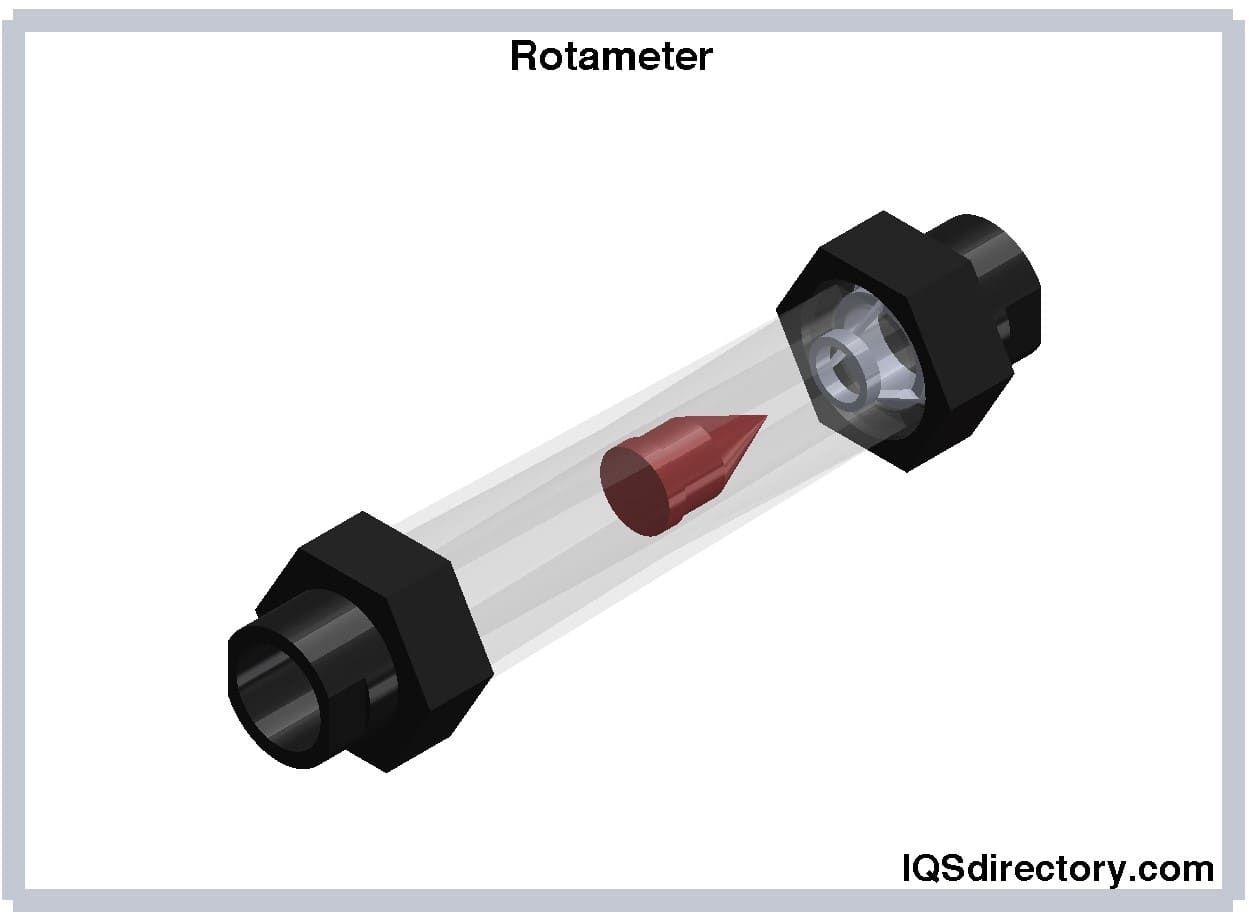
Rotometers are flow meters named for the rotating float which functions as the meter’s indicating element. A float moves up and down a tapered tube according to the rate of flow.
Rotometers are typically used to measure low flow rates and are an economical method of indicating and controlling gas and liquid flow for several applications.
Typically, rotometers are used to measure smaller flows and the reading is usually done locally, although transmission of the readings is possible. Read More…
Aalborg Instruments & Controls is a globally recognized manufacturer of precision instrumentation for flow measurement and control. We offer variable area flow meters, thermal mass flow controllers, and more. Since our founding in 1972, it has been our commitment to develop, produce and deliver the highest quality products and services, as well as consistently meet or exceed customer...

Sierra manufacturers high performance mass flow meters and controllers for nearly any gas, liquid or steam. Customers choose Sierra when they need an accurate and repeatable flow measurement, short delivery lead times, expert flow advice and long term support. When it matters, choose Sierra. Visit www.sierrainstruments.com.
At Wyatt Engineering LLC, we specialize in delivering precision flow measurement solutions tailored to meet diverse industrial needs. Our expertise lies in designing and manufacturing flow meters that offer reliability, accuracy, and durability for a variety of applications. Through our advanced engineering capabilities, we create flow measurement devices that seamlessly integrate into systems...

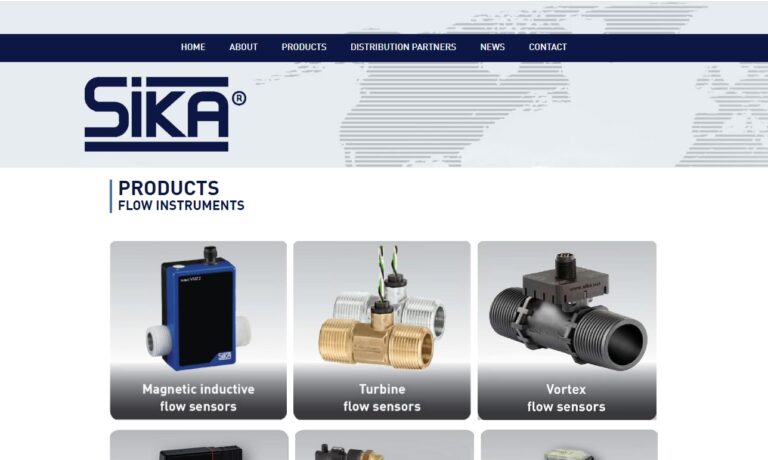
SIKA is a developer and manufacturer of flow control products and a wide variety of other measuring and monitoring systems. Our inventory includes flow sensors, flow meters, flow switches, and many more. We know that flow solutions aren't one-size-fits-all, which is why we provide consultation and flow management solutions that are individualized and customized to your requirements. When you...
At Alicat Scientific, Inc., we are dedicated to designing and manufacturing high-performance flow meters that meet the most precise and demanding requirements. Our expertise in fluid dynamics allows us to develop solutions that span a wide range of applications, including laboratory research, industrial automation, environmental monitoring, and aerospace.

At Orange Research Incorporated, we are dedicated to providing industry-leading flow measurement solutions that excel in both accuracy and reliability. Our line of flow meters is designed to serve diverse applications, meeting the unique requirements of industries that depend on precise fluid monitoring, from chemical processing to energy production.




More Rotometers Manufacturers
Most rotometers—also known as variable area flow meters—are constructed from high-quality glass and feature clearly marked external graduations, allowing for easy, direct visual flow readings. This design is reminiscent of flow indicators, which are widely used for monitoring fluid movement in a variety of industrial applications. For environments where durability and resistance to harsh conditions are required, robust metal rotometers are also available. These metal flow meters are engineered to handle aggressive chemicals, high-pressure systems, and other demanding process conditions often found in industries such as chemical processing, oil and gas, pharmaceuticals, food and beverage, and water treatment.
Rotometers offer significant advantages due to their simple mechanical design, minimal maintenance requirements, and the constant pressure drop they maintain across the device. Unlike many other types of flow meters, rotometers do not need straight pipe runs either upstream or downstream for accurate operation, greatly increasing their flexibility and making installation possible in confined or non-traditional piping arrangements. This adaptability is particularly valuable for retrofit projects or laboratory setups where space is at a premium and piping layouts are complex.
When selecting the optimal rotometer for your specific process application, several crucial factors must be taken into account to ensure accurate and reliable flow measurement:
- Type of gas or liquid: Rotometers can be calibrated to measure a wide range of fluids, including air, oxygen, nitrogen, water, industrial chemicals, and process gases. The choice of material for the tube and float must be compatible with the fluid's chemical properties to prevent corrosion or contamination.
- Required flow rate range: Each rotometer model is designed to provide optimal accuracy within a specific flow range, typically indicated in standard cubic feet per hour (SCFH) for gases or liters per minute (LPM) for liquids. Accurate sizing according to anticipated flow rates is essential for precise measurement.
- Number of measurement streams: Determine whether you need to monitor a single flow stream or multiple streams simultaneously. Multi-tube rotometers are ideal for comparative studies, quality control labs, or processing systems with several parallel lines.
- Metering valve inclusion: Some rotometers come with integrated needle valves for fine flow control, allowing users to both measure and regulate flow with a single instrument. Consider your process control requirements when choosing between models with or without this feature.
- Process pressure and temperature: Select a rotometer rated for your system’s pressure and temperature conditions. High-pressure or high-temperature applications may necessitate specialized materials or reinforced construction.
 Rotometers - Hoffer Flow Controls, Inc.
How Do Rotometers Work? Understanding Variable Area Flow Measurement
Rotometers—or variable area flow meters—operate on a simple yet highly effective principle. Their core component is a precision float that moves freely within a tapered, vertically oriented tube. As fluid enters the lower part of the tube, it pushes the float upward. The float’s ascent continues until the force from the fluid flow equals the downward force of gravity, resulting in a stable, easily readable position on the tube’s graduated scale.
Each graduation on the tube corresponds to a specific flow rate, typically calibrated for a standard fluid such as air or water under defined conditions. Unlike devices that rely on a constant restriction and measure varying pressure drop (like orifice plates or venturi meters), rotometers utilize a variable restriction (the float’s changing position) while maintaining a relatively constant pressure differential across the float. This design provides a direct and immediate visual indication of flow rate, eliminating the need for electronic sensors or transmitters in basic applications.
Key Features and Benefits of Rotometers
The popularity of rotometers as industrial and laboratory flow measurement devices is due to a wide range of features and operational benefits:
- Simple, maintenance-free operation: With no moving parts except the float, rotometers are exceptionally reliable and have long service lives even in continuous-use environments.
- Immediate visual readout: The clear, marked tube provides instant feedback on flow conditions, enabling operators to make rapid adjustments as needed.
- Flexibility in installation: No requirement for long, straight pipe runs allows for versatile placement, saving both space and installation costs.
- Wide applicability: Rotometers are suitable for measuring both gases and liquids across a variety of industries, including laboratory research, medical applications, water and wastewater treatment, process control, and HVAC systems.
- Accuracy and repeatability: Properly calibrated rotometers provide consistent, repeatable measurements with high accuracy, typically within ±2% of full scale for quality models.
- Cost-effectiveness: Compared to electronic or more complex mechanical flow meters, rotometers are generally more affordable and offer excellent value for routine flow monitoring tasks.
Types of Rotometers and Typical Applications
Rotometers come in several configurations, each designed to meet specific measurement requirements:
- Single-tube rotometers: These are most commonly used for measuring the flow of non-corrosive gases or liquids in laboratory, OEM, or process control settings. The tube is typically mounted directly on the pipeline or panel for easy integration and visibility. Single-tube rotometers are ideal when only one flow stream needs to be monitored, and where basic, reliable measurement is sufficient.
- Multiple-tube rotometers: For applications that require the simultaneous monitoring of several flow streams—such as comparative testing, calibration labs, or chemical batching—multi-tube models are available. These assemblies may be mounted on tripod base plates for stability and leveling, or fixed to benches or walls for permanent installations. Their modular design allows for easy expansion and customization.
- Specialty rotometers: Variations include rotometers constructed from all-metal materials for use with aggressive or hazardous fluids, high-pressure or high-temperature models, sanitary rotometers for pharmaceutical or food processing environments, and armored rotometers designed for rugged industrial service.
Common Industries and Use Cases
Not sure if a rotometer is the right flow measurement solution for your application? Explore these common industries and use cases where rotometers excel:
- Laboratory and research: Precise measurement of gas and liquid flow in experiments, quality control, and pilot plant operations.
- Medical and healthcare: Monitoring of oxygen, anesthesia, and medical gases in patient care and laboratory settings.
- Water and wastewater treatment: Measurement of flow rates in chemical dosing, filtration, and aeration processes.
- Chemical and petrochemical processing: Monitoring of process gases and fluids in reactors, distillation columns, and pilot plants.
- HVAC and building management: Air flow monitoring in heating, ventilation, and air conditioning systems to ensure optimal performance and energy efficiency.
- Food and beverage: Flow control for ingredient dosing, carbonation, and cleaning processes, with hygienic rotometer options available.
Looking for a rotometer for a unique or demanding application? Contact a flow meter expert to discuss your specific requirements, including compatibility with aggressive chemicals, high-purity fluids, or hazardous environments.
Decision Factors: How to Choose the Best Rotometer for Your Needs
When evaluating which rotometer is the best fit for your operation, consider the following decision criteria:
- Material compatibility: Ensure that the tube, float, and seals are chemically resistant to your process fluids to prevent corrosion, contamination, or premature failure.
- Measurement accuracy: Consider the required precision for your process—some applications may demand higher accuracy or tighter repeatability than others.
- Readout visibility: Choose between clear glass tubes for direct visual monitoring or metal-armored designs with external indicators for harsh or hazardous locations.
- Pressure and temperature ratings: Select a model engineered to withstand your system’s maximum pressure and temperature conditions.
- Installation requirements: Assess available space, mounting options (panel, wall, pipe, or bench), and whether you need remote readout or integration with automation systems.
- Flow control capability: Decide if you need a built-in needle valve for manual flow adjustment, or if flow regulation is handled elsewhere in your system.
Still not sure which rotometer is most suitable? Ask yourself:
- What fluid am I measuring, and what are its physical and chemical properties?
- What is the expected flow range, and how accurate does the measurement need to be?
- Will the flow meter be exposed to extreme temperatures, pressures, or corrosive substances?
- Do I require a single or multi-stream measurement capability?
- Is visual monitoring sufficient, or do I need electronic output for remote monitoring or data logging?
Advantages and Limitations of Rotometers: What Buyers Should Know
Rotometers provide a reliable, affordable, and easy-to-use solution for many flow measurement scenarios, but understanding their strengths and limitations will help you make an informed purchasing decision.
Key Advantages
- Low cost of ownership: Minimal maintenance and no power requirements for basic models reduce long-term operating costs.
- Immediate feedback: Real-time, direct visual indications of flow make process adjustments quick and intuitive.
- Wide applicability: Suitable for gases and liquids, compatible with a broad range of process conditions and industries.
- Ease of installation: Flexible mounting options and no need for straight pipe runs simplify setup and integration into existing systems.
Potential Limitations
- Readability: Visual flow indicators may be difficult to read in poorly lit or remote locations; electronic or digital flow meters may be preferable in such cases.
- Orientation sensitivity: Rotometers must be installed vertically to function properly; inclined or horizontal installations are not suitable.
- Fluid compatibility: Not all rotometers can handle corrosive, high-viscosity, or particulate-laden fluids—material selection is critical.
- Pressure and temperature limits: Standard glass tube models may not be suitable for extreme conditions; consider all-metal or armored rotometers for such environments.
Frequently Asked Questions About Rotometers
- What is the difference between a rotometer and a flow indicator? While both devices provide visual flow measurement, a rotometer features a float in a tapered tube to indicate flow rate, whereas a flow indicator generally provides a simple visual confirmation of flow without quantifying the rate.
- Can rotometers measure both liquids and gases? Yes, rotometers are versatile and can be calibrated for a wide variety of liquids and gases, making them suitable for diverse industrial and laboratory environments.
- How do I calibrate a rotometer? Calibration involves comparing the rotometer’s readings with those from a known standard under controlled conditions. Many manufacturers offer calibration services or provide detailed instructions for in-house calibration.
- What maintenance is required for rotometers? Routine inspection for cleanliness, float alignment, and tube integrity is typically sufficient. For harsh or dirty environments, periodic cleaning and maintenance may be required to ensure accuracy and longevity.
- Are there digital or electronic rotometers? While traditional rotometers are mechanical, some models are equipped with sensors and digital displays, offering electronic output or remote monitoring capabilities for integration with industrial automation systems.
Explore Related Flow Measurement Solutions
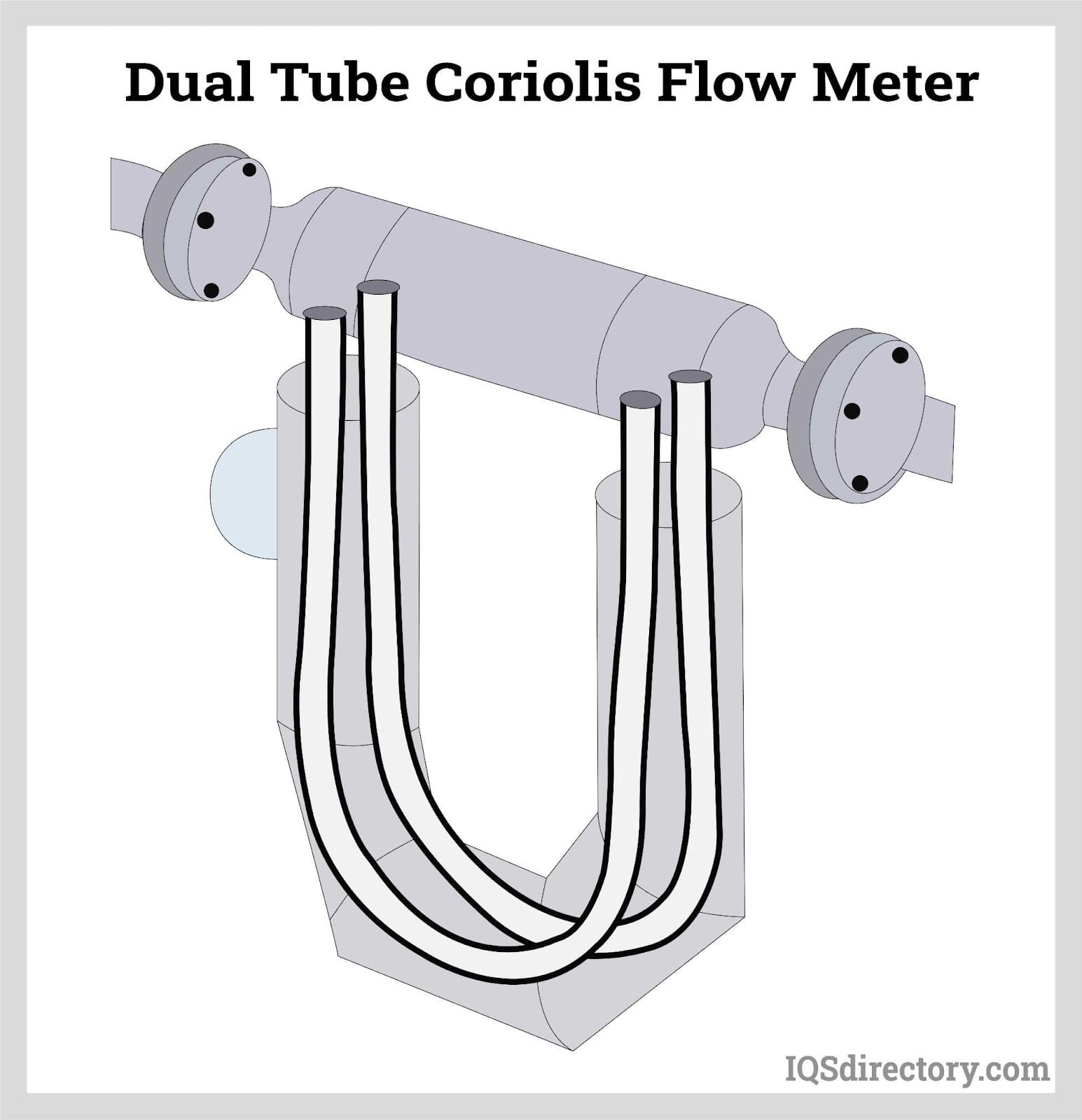
If your application requires features beyond what a standard rotometer offers—such as electronic data logging, remote monitoring, or compatibility with aggressive chemicals—consider exploring other flow measurement technologies. These include:
- Mass flow meters for precise measurement of mass flow rate, especially in gas applications.
- Magnetic flow meters for non-intrusive, highly accurate liquid flow measurement.
- Turbine flow meters for high-accuracy measurement in clean liquid applications.
- Ultrasonic flow meters for clamp-on, non-invasive flow measurement solutions.
Ready to compare rotometer features and request a quote? Contact leading rotometer manufacturers to discuss your unique application, receive technical guidance, and obtain pricing or availability information.
Key Takeaways: Why Choose Rotometers for Flow Measurement?
- Versatility: Suitable for gases and liquids, across a wide range of industries and applications.
- Affordability: Low upfront and long-term costs make rotometers an economical choice for many flow monitoring tasks.
- Reliability: Simple mechanical construction ensures long service life and minimal maintenance.
- Flexibility: No need for straight pipe runs, easy installation in tight spaces, and a variety of mounting options.
- Accuracy: Consistent, repeatable measurements within defined flow ranges, with easy calibration options.
Whether you’re equipping a laboratory, upgrading an industrial process, or searching for a simple, cost-effective way to monitor flow rates, rotometers deliver proven performance and value. Explore our comprehensive directory of flow meter manufacturers to find the right rotometer for your application.
 Flow Gauges
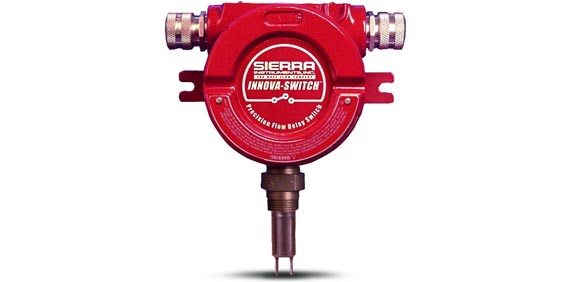 Flow Indicators
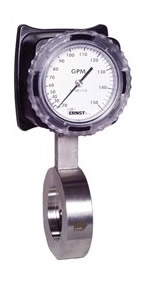 Flow Meters
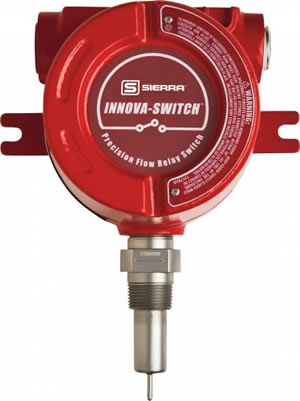 Flow Switches
 Castings & Forgings
 Bulk Material Handling
 Electrical & Electronic Components
 Flow Instrumentation
 Hardware
 Material Handling Equipment
 Metal Cutting Services
 Metal Forming Services
 Metal Suppliers
 Motion Control Products
 Plant & Facility Equipment
 Plant & Facility Supplies
 Plastic Molding Processes
 Pumps & Valves
 Recycling Equipment
 Rubber Products & Services