Flow gauges are devices used to measure the rate at which a liquid or gas is flowing through a system.
They then relay this information to the operator who can make adjustments based on the readings or choose to continue to monitor the situation. Flow gauges can be found in a wide range of applications and industries, as measuring the flow of fluid or gas can be a vital part of a lot of different products and systems.
Some examples of the industries and applications flow gauges are commonly found in include the medical industry for monitoring medical treatments and the energy industry for measuring fuel usage.
In addition to these applications, flow gauges are an essential part of a lot of manufacturing processes as being able to monitor exact material feed values is a required part of the system. Read More…
Sierra manufacturers high performance mass flow meters and controllers for nearly any gas, liquid or steam. Customers choose Sierra when they need an accurate and repeatable flow measurement, short delivery lead times, expert flow advice and long term support. When it matters, choose Sierra. Visit www.sierrainstruments.com.
Aalborg Instruments & Controls is a globally recognized manufacturer of precision instrumentation for flow measurement and control. We offer variable area flow meters, thermal mass flow controllers, and more. Since our founding in 1972, it has been our commitment to develop, produce and deliver the highest quality products and services, as well as consistently meet or exceed customer...

Ryan Herco Flow Solutions is a leading national distributor for fluid handling products. Our family of products include; Flowmeters, sensors, instrumentation tubing and hose, process pipe and fittings, valves, pumps, filters and filter systems, storage and drums, and corrosion resistant structural products. We have 29 U.S. Service Centers ready to serve you.

Our flow meters are meticulously designed with you in mind. Our products have an unrivaled reputation, because we spend hundreds of engineering hours working on new and better ways to improve our products. No matter what you need, we can get if for you! Our staff is dedicated to helping you every step of the way. Contact us today for more info!

We are ONICON Incorporated, a leading manufacturer of flow meters and energy measurement systems. Our products and solutions are used in a wide range of applications, including HVAC, building automation, and industrial processes.




More Flow Gauge Manufacturers
 Flow Gauges - Siemens Process Instrumentation
Comprehensive Guide to Flow Gauges: Types, Applications, and Industry Considerations
Flow gauges are essential instruments used across a wide range of industries to monitor and measure the flow rate of liquids and gases in various processes. These devices, also known as flowmeters or flow measurement devices, ensure accurate and reliable data for process control, safety, and efficiency. If you're seeking to understand which flow gauge best suits your operational requirements, it's crucial to explore the different categories, technologies, applications, and key decision factors that guide the selection process.
Types of Flow Gauges: Mass Flow Gauges vs. Volumetric Flowmeters
These flow gauges tend to be grouped into a number of different categories based on the units of measurement that they use, primarily dealing with two specific types: mass flow gauges and volumetric flowmeters.
These two types of devices differ in that one measures the rate of flow as a mass per unit time while the other measures the rate of flow as a volume per unit time. Understanding the distinction between these measurement principles is crucial for selecting the right instrumentation for your process.
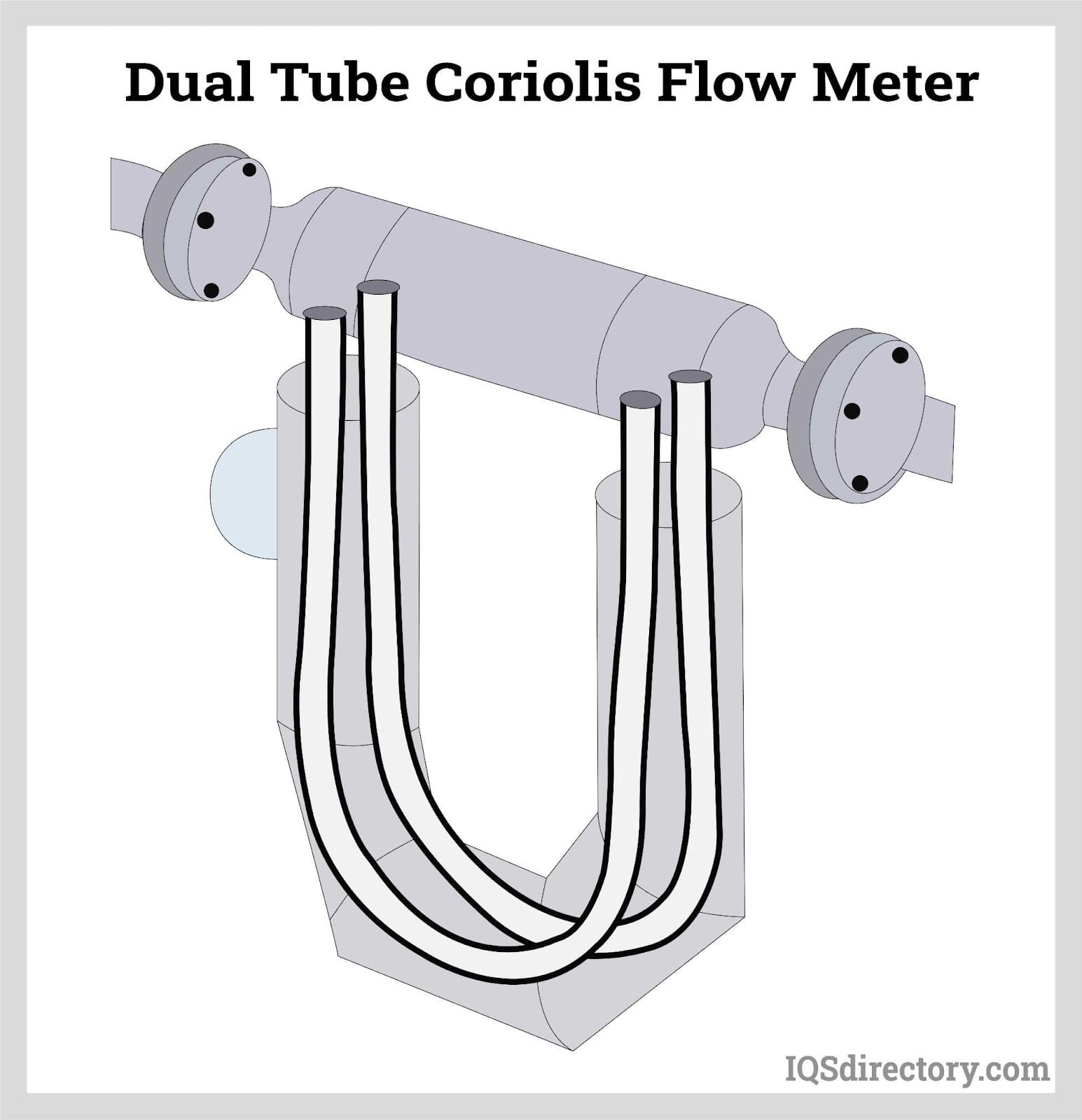
- Mass Flow Gauges: Measure the actual mass of fluid passing through a point per unit time, typically using technologies like Coriolis or thermal mass flowmeters. Widely used when precise mass measurement is critical, such as in chemical dosing, pharmaceutical production, or custody transfer applications.
- Volumetric Flowmeters: Measure the volume of fluid passing through a system per unit time, using methods such as differential pressure, turbine, ultrasonic, or electromagnetic flowmeters. Commonly applied in water treatment, HVAC, petroleum, and food & beverage industries where volumetric flow monitoring is required.
How Do Flow Gauges Work? Key Operating Principles and Technologies
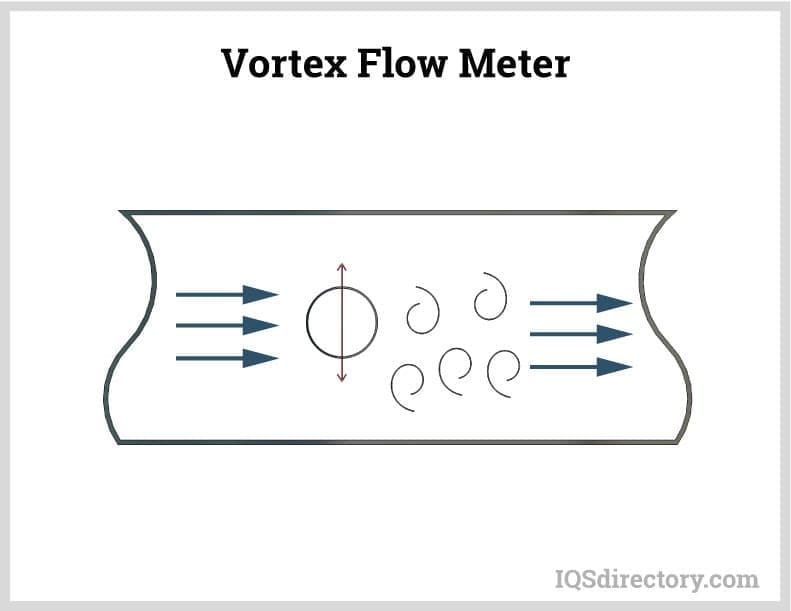
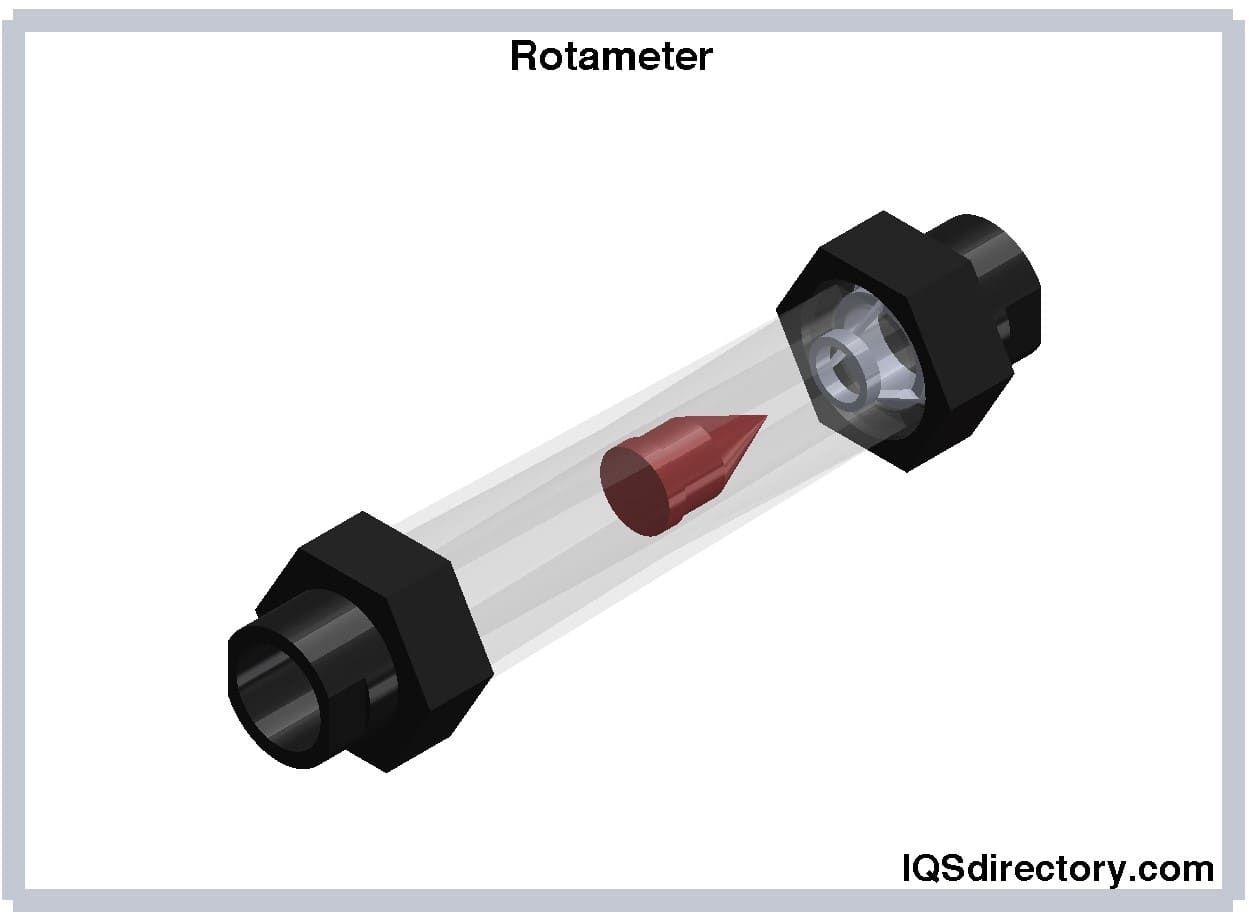
Both of these types of flow gauges utilize the same general operation and mechanisms, but there can be some variation based on the application as the flow can be measured using mechanical operations, pressure-based operations, optical operations, and even thermal types of operations. Each technology offers specific advantages, trade-offs, and suitability for different fluid properties and process requirements.
- Mechanical Flowmeters: Devices such as positive displacement, gear, or turbine flowmeters rely on the movement of mechanical parts to directly measure flow. They are robust and well-suited for clean, non-corrosive fluids.
- Pressure-Based Flowmeters: Differential pressure flowmeters (like orifice plates, venturi tubes, and flow nozzles) use pressure drop across a restriction to calculate flow rate. They are versatile and widely used in industrial process control.
- Optical Flowmeters: These utilize lasers or light beams to detect and measure the velocity of particles or bubbles within the flow. Optical flowmeters are ideal for applications requiring non-intrusive measurement and in situations where the fluid may be opaque or contain particulates.
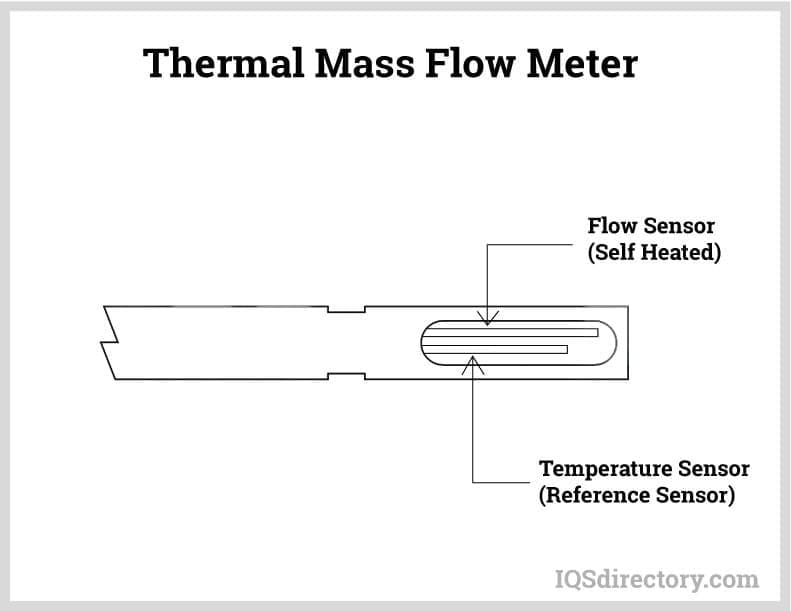
- Thermal Flowmeters: Thermal mass flowmeters operate by measuring the heat transferred from a heated element to the flowing fluid. They are particularly effective for low-flow rates and gas measurement in various industries.
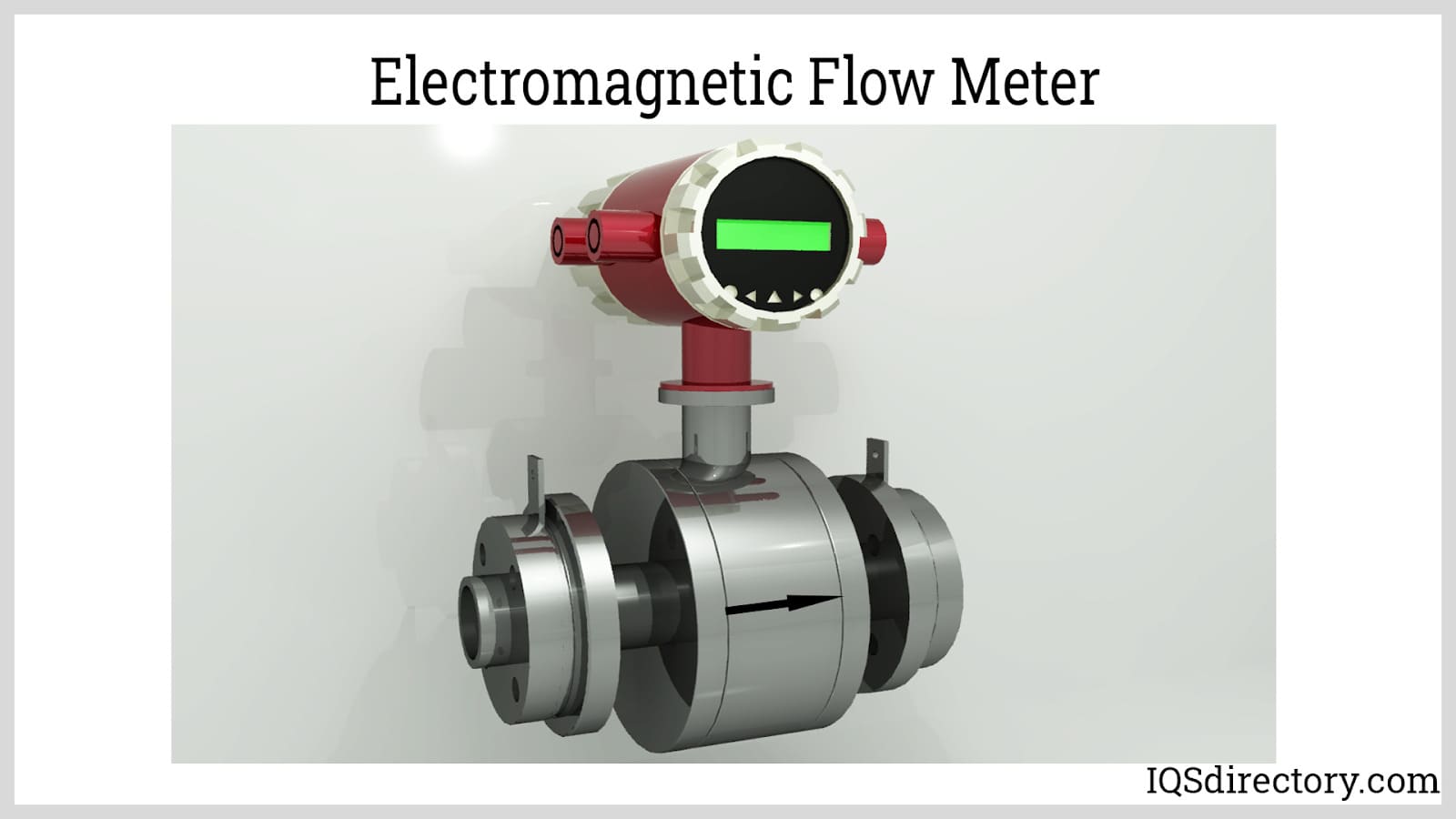
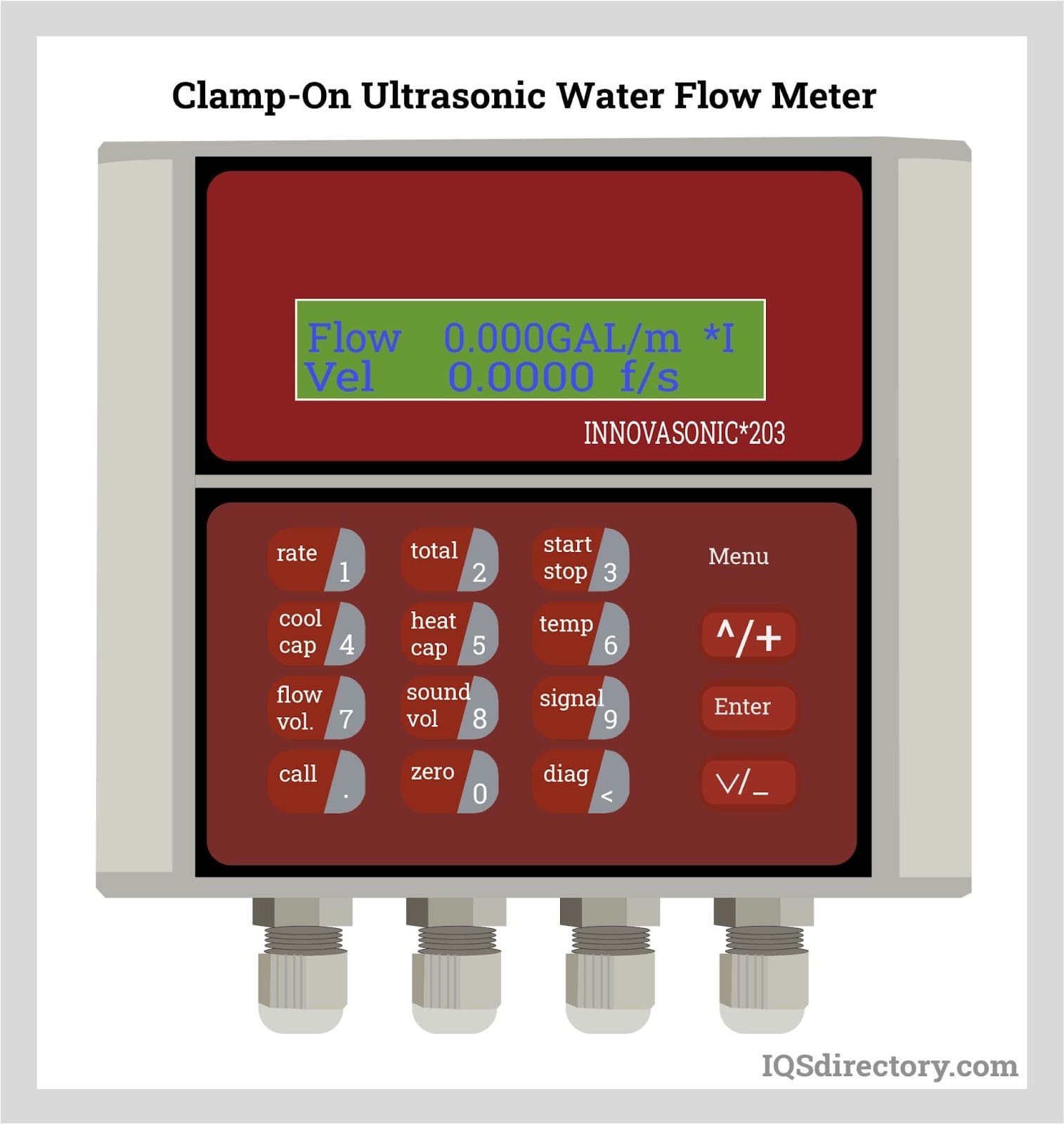
- Electromagnetic and Ultrasonic Flowmeters: These advanced electronic flowmeters provide highly accurate, non-invasive measurements, making them suitable for applications where maintaining fluid purity or minimizing pressure drop is essential.
Frequently Asked Questions: Understanding Flow Gauge Selection
- What is the difference between a mass flowmeter and a volumetric flowmeter?
- How do I choose the right flow gauge for my application?
- Which flowmeter technology works best for corrosive or viscous fluids?
- What factors should I consider when sourcing a flow gauge manufacturer?
- How do flow gauges improve process efficiency and safety?
Applications of Flow Gauges Across Key Industries
Flow gauges are indispensable in a variety of sectors, each with unique measurement challenges and regulatory requirements. Understanding the primary use cases helps guide buyers towards the optimal flow measurement solution.
- Oil & Gas Industry: Flowmeters are used for monitoring crude oil, natural gas, refined products, and water injection systems. Accurate measurement ensures compliance, safety, and optimized production.
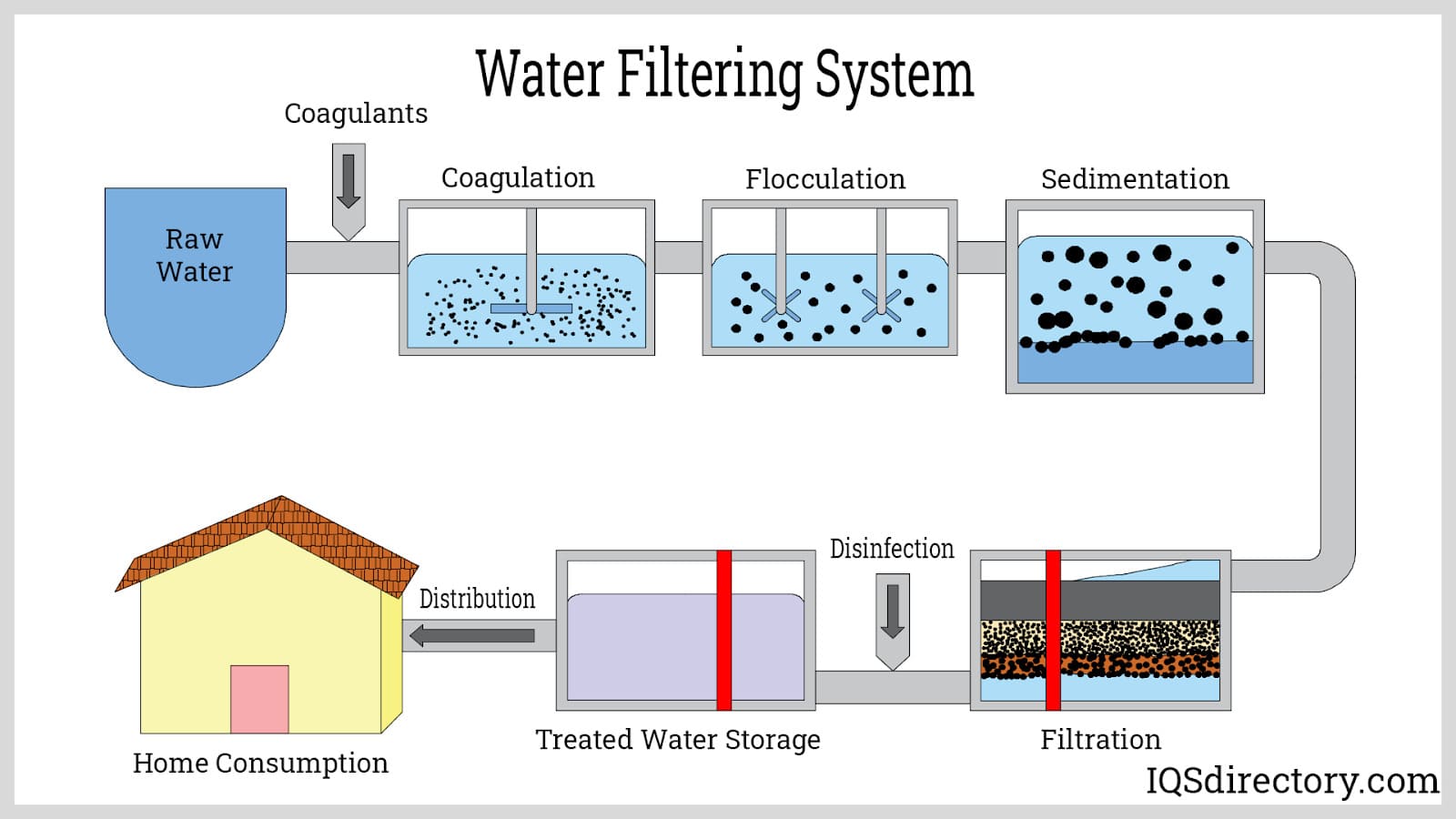
- Water & Wastewater Treatment: Volumetric and electromagnetic flowmeters are critical for monitoring potable water distribution, sewage flow, and industrial effluent discharge, supporting regulatory compliance and operational control.
- Chemical Processing: Coriolis and thermal mass flowmeters provide precise dosing of chemicals, blending, and batch processing, enhancing product consistency and reducing waste.
- Pharmaceutical & Biotechnology: Hygienic and sanitary flowmeters ensure precise ingredient measurement, supporting quality assurance and compliance with industry standards.
- Food & Beverage Production: Flow gauges support accurate ingredient mixing, cleaning-in-place (CIP) operations, and bottling lines, maintaining product quality and safety.
- HVAC & Building Automation: Flowmeters are used for monitoring chilled water, steam, and air flow in heating and cooling systems, supporting energy efficiency and system diagnostics.
- Power Generation: Flow measurement is vital for boiler feedwater, cooling systems, and fuel supply, aiding in efficiency optimization and emissions monitoring.
 Flow Gauges - Siemens Process Instrumentation
Buyer’s Guide: How to Choose the Right Flow Gauge for Your Application
Understanding your application and being able to relay it to your manufacturer is the best way to ensure you receive a flow gauge that is right for your application based on those needs and requirements, especially if you are unsure of which type would add the most value to your current operation. However, there are several critical factors to consider during the evaluation and purchasing process:
- Fluid Properties: Consider the type of fluid (liquid, gas, steam), its viscosity, temperature, pressure, corrosiveness, and presence of particulates. Some flowmeters are better suited for clean, low-viscosity fluids, while others can handle slurries or high-temperature gases.
- Measurement Accuracy: Determine the level of precision required. Custody transfer and batching applications may demand higher accuracy than simple monitoring tasks.
- Installation Requirements: Assess the available space, pipe size, orientation, and whether the flow measurement device needs to be inline, insertion, or clamp-on. Also, consider accessibility for maintenance and calibration.
- Process Conditions: Take into account flow range, pressure drop tolerance, and environmental factors such as humidity, vibration, and hazardous area certifications (ATEX, IECEx, etc.).
- Output and Integration: Ensure the flowmeter provides compatible output signals (analog, digital, HART, Modbus, etc.) for integration with your control systems or SCADA platforms.
- Budget and Lifecycle Costs: Look beyond initial purchase price. Evaluate total cost of ownership, including installation, calibration, maintenance, and potential downtime.
- Compliance and Certification: Verify that the flow gauge meets necessary industry standards and certifications, especially for food, pharmaceutical, or hazardous environments.
Looking for a flow gauge tailored to your process?
Ask yourself: What are my specific flow measurement challenges? Do I require sanitary design, explosion-proof housing, or remote monitoring capabilities? Connect with a flowmeter specialist to discuss your exact application and receive expert recommendations.
Benefits of Using Accurate Flow Gauges
Investing in high-quality, application-specific flow gauges delivers numerous benefits for industrial operations, research facilities, and commercial applications:
- Enhanced Process Control: Real-time and precise flow measurement enables tighter process control, improving product quality and consistency.
- Increased Efficiency: By optimizing resource usage, flowmeters help reduce waste, energy consumption, and operational costs.
- Regulatory Compliance: Accurate flow data supports reporting, traceability, and adherence to environmental and safety regulations.
- Early Leak and Fault Detection: Monitoring flow rates can quickly identify leaks, blockages, or equipment malfunctions, minimizing downtime and preventing losses.
- Scalability and Flexibility: Modern flowmeters offer advanced diagnostics, data logging, and remote access, supporting Industry 4.0 and automation initiatives.
Why Work with an Experienced Flow Gauge Manufacturer?
Whatever your application may be, finding an experienced, trusted, and knowledgeable flow gauge manufacturer is the difference between a good and great flow gauge. Top manufacturers offer not only high-quality instrumentation but also comprehensive technical support, customization options, and after-sales service.
Chances are there is a flow gauge manufacturer who specializes in flow gauges for your industry or application, and they will be able to suggest the right type and category of flow gauge for your specific needs. When choosing a supplier, consider their track record, industry certifications, and ability to provide tailored solutions for challenging operating environments.
Comparing Flow Gauge Technologies: Which Is Right for You?
| Technology | Best For | Advantages | Considerations |
|---|---|---|---|
| Coriolis Mass Flowmeter | High-precision, multi-phase fluids, chemical dosing | Direct mass measurement, high accuracy, suitable for liquids & gases | Higher cost, sensitive to vibration, requires skilled installation |
| Electromagnetic Flowmeter | Water & wastewater, conductive fluids | No moving parts, low maintenance, wide pipe range | Not suitable for non-conductive fluids (e.g., oils, gases) |
| Ultrasonic Flowmeter | Clean liquids, large pipes, non-intrusive measurement | Clamp-on options, no pressure drop, minimal maintenance | Accuracy affected by air bubbles or suspended solids |
| Turbine Flowmeter | Clean, low-viscosity liquids (e.g., fuel, water) | Wide flow range, fast response, cost-effective | Not ideal for dirty fluids, can wear over time |
| Differential Pressure Flowmeter | General industrial fluids, gases, steam | Proven technology, versatile, scalable | Pressure drop, periodic maintenance required |
Still Unsure? Explore More Flowmeter Resources
Ready to compare leading flowmeter brands and models? Browse our comprehensive flowmeter directory to review technical specifications, download datasheets, and request quotes from top manufacturers. Or, try searching for:
- Best flowmeters for corrosive chemicals
- How to calibrate a mass flowmeter
- Industrial flow measurement solutions
- Flowmeter installation best practices
- Flow gauge troubleshooting guide
Latest Innovations in Flow Meter Technology
The flow measurement industry continues to evolve with advancements in sensor technologies, digital connectivity, and data analytics. Modern flowmeters now offer features such as wireless communication, real-time diagnostics, auto-calibration, and integration with IoT platforms. These improvements not only boost measurement accuracy but also facilitate predictive maintenance and remote monitoring for reduced downtime and greater operational insight.
Emerging trends include the use of AI-driven analytics for process optimization, miniaturized flow sensors for medical and laboratory use, and environmentally friendly flowmeters designed for low power consumption and minimal environmental impact. Investing in the latest flow gauge technologies can provide your business with a competitive edge in terms of reliability, compliance, and efficiency.
Conclusion: Streamline Your Flow Measurement with the Right Flow Gauge
Selecting the right flow gauge is vital for achieving accurate, reliable, and cost-effective flow measurement in industrial, commercial, or research settings. By understanding the differences between mass and volumetric flowmeters, evaluating key decision factors, and partnering with experienced manufacturers, you can ensure optimal performance and avoid costly mistakes.
For further guidance, technical support, or to request a quote, contact a flowmeter expert today and take the first step toward enhanced process control and measurement accuracy.
Explore more about flow gauges, flowmeters, and industrial process instrumentation at Flowmeter Manufacturers Directory.
 Flow Gauges
 Flow Indicators
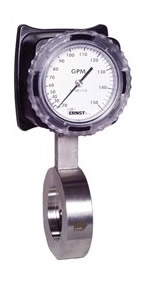 Flow Meters
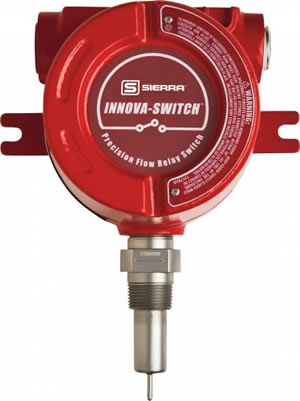 Flow Switches
 Castings & Forgings
 Bulk Material Handling
 Electrical & Electronic Components
 Flow Instrumentation
 Hardware
 Material Handling Equipment
 Metal Cutting Services
 Metal Forming Services
 Metal Suppliers
 Motion Control Products
 Plant & Facility Equipment
 Plant & Facility Supplies
 Plastic Molding Processes
 Pumps & Valves
 Recycling Equipment
 Rubber Products & Services